
Burnout from the Church
Escaping the Cycle of Overcommitment
Burnout in the church is a growing issue affecting many churchgoers. As the demands of continuous involvement in church events, programs, and activities increase, so does the risk of physical, emotional, and spiritual exhaustion. Understanding the reasons behind this burnout and finding ways to recover is essential for maintaining a healthy and vibrant faith life.
In many churches today, there is an unspoken expectation of constant engagement. Whether attending multiple services each week, participating in small group meetings, volunteering for various ministries, or being involved in outreach activities, the list of commitments can seem endless. While these activities are often designed to foster community and spiritual growth, they can also create a relentless cycle of busyness that leaves little room for rest and personal reflection.
The culture of over-commitment in many churches can lead to burnout in several ways:
Lack of Rest and Sabbath:
Many church members and leaders neglect the biblical principle of Sabbath rest, leading to physical and emotional exhaustion. The constant cycle of activities leaves little time for recuperation, causing burnout.
Performance Pressure:
There is often an implicit pressure to perform and be visibly involved in church activities. This can create a sense of competition and the need to prove one's faith through busyness rather than genuine spiritual engagement.
Emotional Burden:
Church leaders and active members frequently bear the emotional burdens of others, providing support and counseling without adequate time to process their own emotions. This can lead to emotional burnout and compassion fatigue.
Spiritual Depletion:
When church activities focus more on programming and less on personal spiritual growth, individuals may become spiritually depleted. The constant doing can overshadow the importance of being with God, leading to a dry and unfulfilling spiritual life.
Unrealistic Expectations:
Many congregants and leaders feel the weight of unrealistic expectations from themselves and others. The fear of letting others down or being judged can drive people to overcommit, leading to burnout.
Lack of Personal Boundaries:
Without clear boundaries, individuals can say yes to every request, stretching themselves too thin and neglecting their personal needs and family responsibilities.
Ways to Slow Down and Recover
Recognizing the signs of burnout is the first step toward recovery. These signs include exhaustion, irritability, lack of motivation, and dread regarding church activities. Once these signs are acknowledged, taking intentional steps to slow down and recover is crucial.
Saying no can be challenging, especially in a church environment that emphasizes community involvement and service. However, it is a crucial skill for preventing burnout. Many individuals feel guilty or selfish when they decline additional responsibilities, fearing letting others down or not fulfilling their Christian duty. It's important to remember that saying no is not about avoiding responsibilities but recognizing and respecting one's limitations.
Jesus Himself modeled the importance of setting boundaries and prioritizing rest. Throughout His ministry, Jesus took time to withdraw from the crowds and pray alone. He understood the necessity of rest and personal renewal to maintain His ability to serve effectively. In Mark 6:31, Jesus told His disciples, "Come with me by yourselves to a quiet place and get some rest." This example shows that even in a life devoted to serving others, it is crucial to rest and reflect.
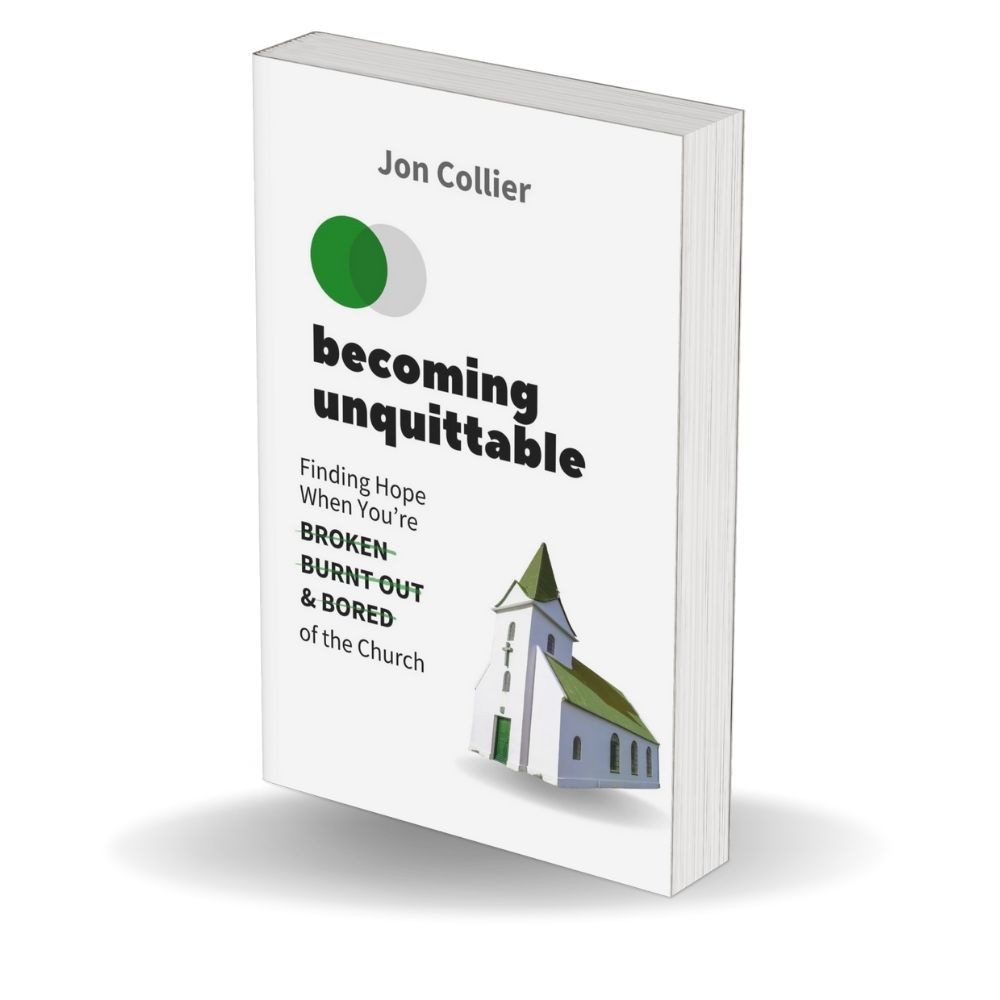
Becoming Unquittable:
Finding Hope When You're Broken, Burnt Out, & Bored of the Church
Whether you’re considering leaving your church or have already walked away, this book will help you find the hope, healing, and purpose you’ve been searching for.
Practical Steps to Set Healthy Boundaries
Evaluate Current Commitments:
Take stock of your church activities and responsibilities. Determine which ones are truly fulfilling and which ones feel like burdens. This evaluation can help you identify areas where you need to cut back.
Communicate Clearly:
When deciding to step back or say no to new commitments, communicate your decision clearly and respectfully. Explain your reasons and reassure others that it is about maintaining your spiritual health to serve more effectively in the long run.
Schedule Regular Rest:
Make rest a non-negotiable part of your routine. This could include a weekly Sabbath, time for personal devotions and periods of relaxation and leisure. It may also include taking a break from all church activities for a season. Rest is crucial for preventing burnout and maintaining a vibrant spiritual life.
Seek Support:
Be bold and seek support from trusted friends, mentors, or counselors. They can provide valuable perspectives and encouragement as you set healthy boundaries.
Pray for Guidance:
Seek God's guidance in your decisions. Pray for wisdom to discern which activities align with His purpose for you and the strength to set boundaries that honor your well-being.
Knowing When You Have Recovered
Recovery from burnout is a gradual process that varies for each individual. Signs of recovery include a renewed sense of joy and enthusiasm for church activities, improved physical and emotional health, and a balanced approach to involvement. Feeling spiritually nourished and motivated rather than obligated indicates that you have successfully navigated burnout.